
Quorn shepherd’s pie

My mum used to make shepherd’s pie on a regular basis before I became vegetarian and I missed the comfort food that is a massive helping of shepherd’s pie. Here’s our recipe that gives a bit of a different kick to the filling but is still utterly delicious.

This feeds 4 hungry people or 6 regular people.

Ingredients

  • One tablespoon of vegetable oil
  • One large or two medium white onions
  • One or two cloves of garlic
  • 350g Quorn or soya mince
  • A large carrot, peeled and grated
  • One tin (440g) of chopped tomatoes
  • One tablespoon of tomato paste
  • One teaspoon of ground ginger
  • One teaspoon of ground cumin
  • One teaspoon of ground coriander
  • One teaspoon of marmite (or stock powder, or miso paste)
  • Juice of a lemon
  • 1 kg of potatoes suitable for mashing (we use King Edwards)
  • 25g butter (or more if you like your mash creamy)
  • 50ml milk (ditto)
  • 100g cheddar cheese (more is OK if you want)
  • Salt and pepper

Recipe

  1. Pre-heat the oven to 180C (fan) or 200C (normal).
  2. Peel and finely chop the onion and garlic. Fry in the oil on a medium heat for a couple of minutes, then add the quorn or soya mince. Mix it well with the onion.
  3. Once the mince is cooked through, add the spices, lemon and carrot and stir for another minute.
  4. Add the chopped tomatoes and tomato puree, mix well in and leave to simmer (covered) for 15-20 mins. Top up with some boiling water if it goes dry.
  5. Meanwhile, peel and roughly chop the potatoes. Boil in salted water for 10-15 mins until they’re ready for mashing. Mash with the butter and milk until they’re as smooth as you like them. Season well with salt and pepper.
  6. Grab your favourite oven dish. Spoon in the quorn mince mix, then cover with the mashed potatoes. Use a fork to create a pleasing pattern on the surface of the mash.
  7. Finally, grate the cheese over the top and put in the oven for 15-20mins until the top is nicely browned.
Posted in Veggie recipes | Leave a comment

Madeira photos

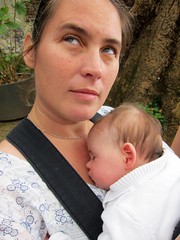
Erica’s first trip abroad, aged 3.5 months, to the lovely island of Madeira. 17-24 December 2012, and mostly warm and sunny!

Full set on Flickr

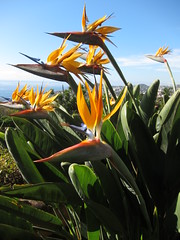
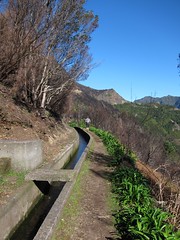
Strelizia heading eastAt MonteView north from the Levada do Norte

Posted in Photography, Travelling | Leave a comment

Beetroot, quinoa and feta salad with cumin and yoghurt dressing

Invented this after getting inspiration from a variety of recipes on the net, as we have lots of beetroot at the moment. The cumin and yoghurt go beautifully with the feta and walnut.

Serves two as a main or four as a starter.

Salad ingredients

  • 100g quinoa
  • 500ml vegetable stock
  • 4 smallish Beetroot, cooked and peeled (or precooked pack)
  • 100g feta
  • 100g baby plum or cherry tomatoes
  • 50g walnut pieces

Dressing ingredients

  • 200ml natural yoghurt
  • 1 tsp cumin seeds
  • 1 clove garlic
  • Juice of a lemon
  • 1 tbsp olive oil

Simmer the quinoa in the stock for 15 mins, then rinse in cold water and drain.

Toast or dry fry the walnut pieces until crunchy.

Cut the beetroot into small wedges, the feta into chunks and the tomatoes in half.

Make the dressing: toast the cumin seeds for a minute, then crush with a pestle and mortar. Blend with the rest of the dressing ingredients and season to taste.

Mix the quinoa and the rest of the salad ingredients in a large bowl. Drizzle over the dressing.

Serve with a green salad.

Posted in Veggie recipes | Leave a comment

California 2012

Back from California with an SD card or three. Enjoy the pics, and here’s the route we took http://g.co/maps/r8rfx

The full set of photos is on Flickr.

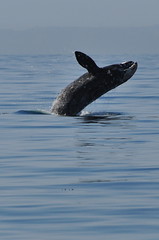
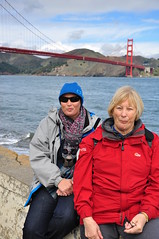
Breaching juvenile gray whale Becs and Jan at Fort Point
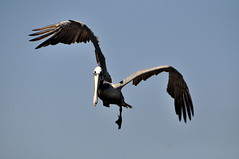
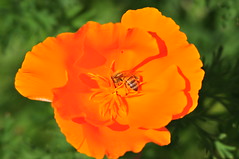
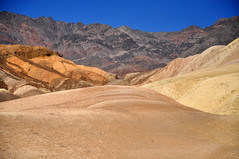
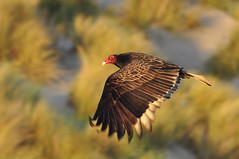
Pelican on the turn California poppy and beeBadlands on the Golden Canyon / Zabriskie Point walk Turkey vulture

Posted in Photography, Travelling | Leave a comment

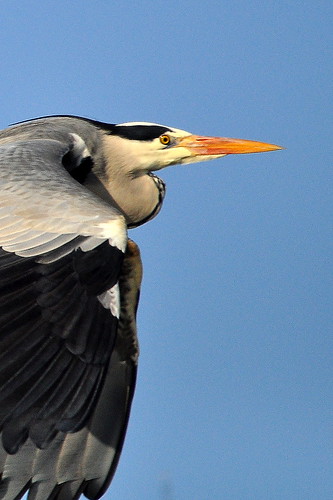
Heron in flight

Birds in flight are tricky to capture, although herons are a bit slower and more predictable, and on a sunny day (with a 500mm zoom) you can get shots like this…

Heron in flight

(taken on the Thames downstream from Clifton Hampden)

Posted in Environment, Photography | Leave a comment

Winter 2012

Although it seems far from over, here’s a couple of photos from this winter…

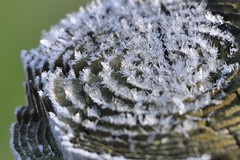
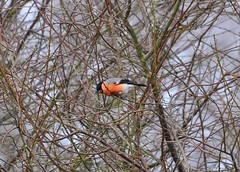
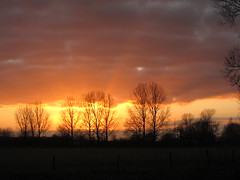
Winter hareFrosty postBullfinchCrepuscular light

The full Winter set is on Flickr.

Posted in Photography | Leave a comment

Best of the Brothers photos

Photos from our diving trip to the Red Sea. Liveboard from Hurghada out to The Brothers Islands and back via Safaga.

View the full Best of Brothers set on Flickr.

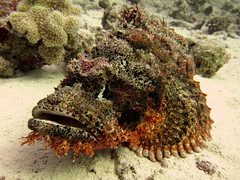
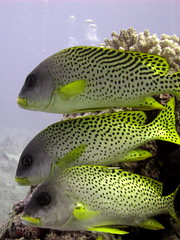
Flathead scorpionfish Sweetlips in a line

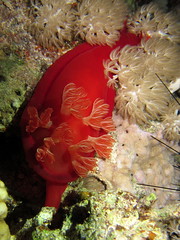
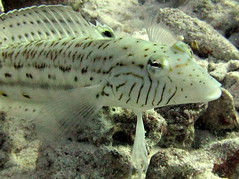
Spanish dancer Speckled sandperch

Posted in Environment, Photography | Leave a comment

Garden update

Lots has been happening in the garden, too much to blog about unfortunately.

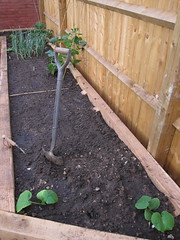
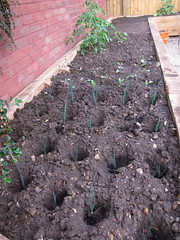
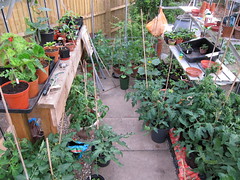
Our new raised beds are finished and we’ve already planted them up with toms, cucumbers, leeks, carrots, spring onions, salsify, chard, beets and squashes! The greenhouse toms and peppers are also going strong.

Also sowed five varieties of pansies for autumn / winter flowering, and Becs sowed some beans for a late autumn crop.

New raised beds
Leeks in the new raised bed
Greenhouse toms and peppers

Posted in Gardening, Photography | Leave a comment

Brew #6 – Old Yella

UPDATE 24/06/2011: first couple of bottles we’ve tried taste rather nice, and it was interesting to compare it to a pint of the real thing (Badger First Gold) whilst in Poole the other weekend – tastes very similar!

Having had two problem brews (#4 and #5), my confidence was knocked so it took a little while to summon up the energy for this brew, despite having had the ingredients for a few months.

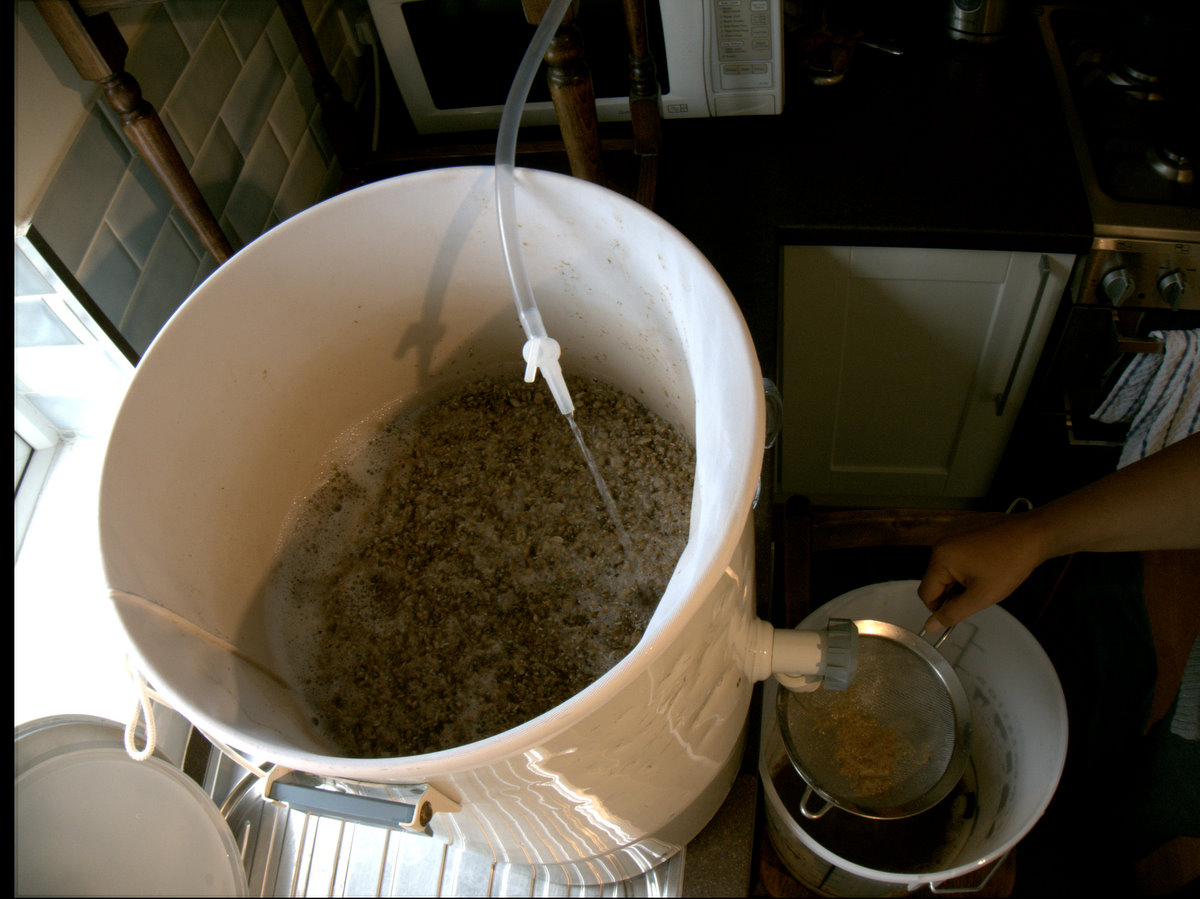
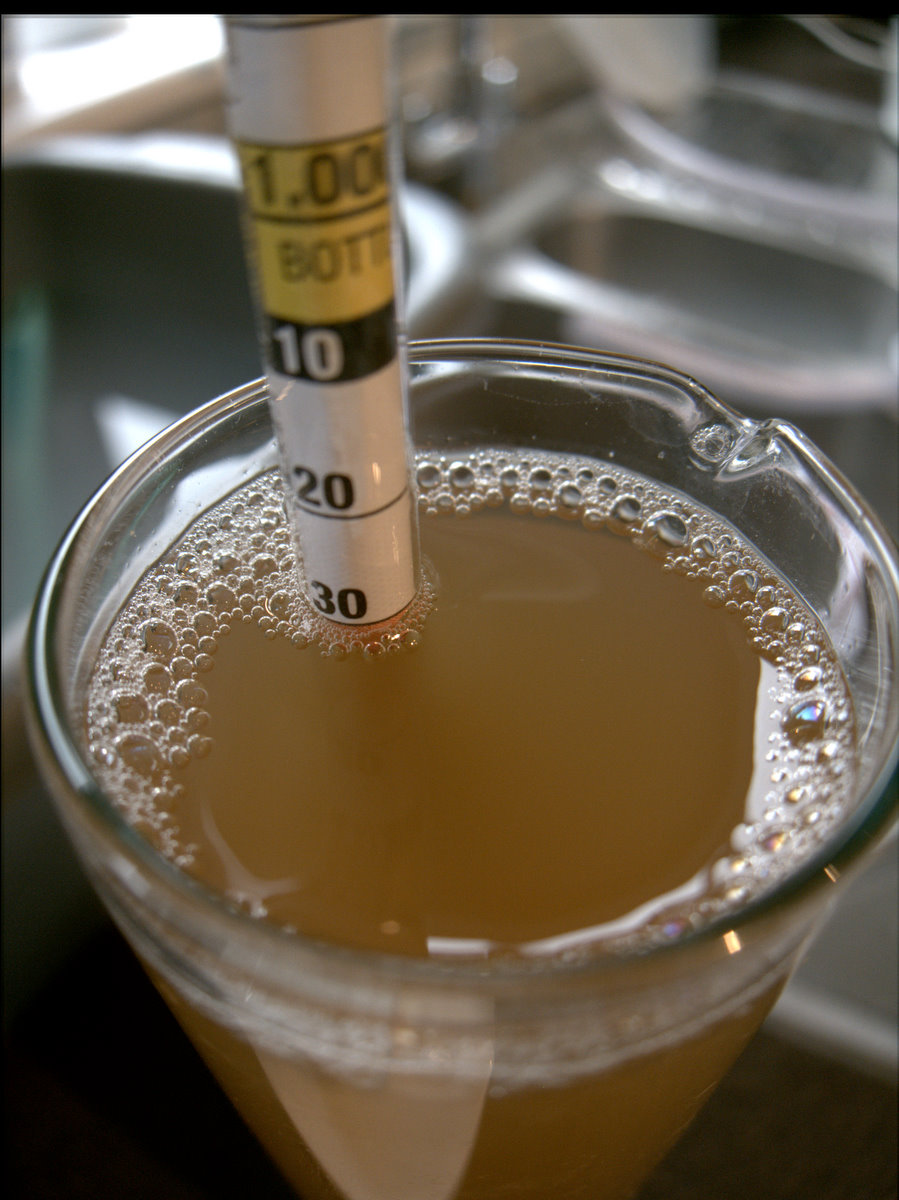
It’s based upon the Barley Bottom Old Yella recipe, but I replaced Fuggles with Goldings as I had no Fuggles around… and it comes in at much weaker 1.032 OG as I use more liquid in the sparge.

Hand sparging Brew#6 - Old Yella

Hand sparging Brew#6 - Old Yella

OG Brew#6 - Old Yella

OG Brew#6 - Old Yella

Here’s the brew notes for Brew #6 – Old Yella

Posted in Home brew | Leave a comment

Wildlife photography on a budget

Earlier this year I went to a talk at Science Oxford about getting into wildlife photography. I enjoyed the talk, from two extremely experienced (although essentially amateur) photographers, and picked up lots of great tips. However from the outset it was clear that, for them, wildlife photography was all about needing *really* expensive kit to get “the shot”.

Whilst I agree that a f2.8 300mm prime lens and a body that shoots 8fps certainly does help you get “the shot”, I couldn’t help think that it would have been better to have shown how you can still take good wildlife shots, and have great fun in the process with budget kit. Most of us can’t afford the best part of £10,000 on a body/lens combination!

So here’s my take on how to enjoy doing wildlife photography on a budget.

How cheap?

Whilst it’s possible to use a cheap compact, it’s important to have control over aperture (F-stop), shutter speed and ISO, and zoom. For the budget conscious, this means getting a digital “bridge” camera with zoom. Digital bridges cameras are a type of camera that sits between compacts and DSLRs that give you all the control but the image through the view finder is a digital image.

I’ve used a Panasonic FZ50 for a while and would highly recommend it. It has a 12x zoom and you can now get one for around £100 on eBay. It’s allowed me to take shots like this one:

White-eyed slaty flycatcher

But any camera with a decent zoom (x8 or more), and control over aperture, shutter speed, ISO and white balance will do. If I was buying a bridge now, I’d probably be looking at the highly rated Fuji HS10 for around £220 or so that gives an unbelievable x30.

The only major downside with these cameras is a slower focusing speed, so they’re best for relatively static subjects.

You might also want to consider teleconverters (which increase the zoom power by e.g. 1.4 or 1.7) for digital bridges. These cost between £30-£100 depending on make and condition.

If your budget is bigger, the next step would be a DSLR (£400-£1000 with kit lens), and a telephoto zoom around 300mm or more. Sigma or Tamron are cheaper than Nikon/Canon and are fine for the budget photographer. Telephotos only become really expensive as they become faster (ie below F4) so you can get one for £300 or so 2nd hand.

A tripod and head are also extremely handy, especially if you’re using a zoom with a teleconverter. Depends on make and model but around £200 or so would get a half decent one. I use a Manfrotto 190xb with a r222 joystick head which is a bit more expensive than that but I love the joystick action.

That’s enough about kit, let’s talk about taking shots.

Start simple

There’s not much point in trying for an epic bird-in-flight (BIF) shot to start off with.

Static subjects, such as insects or other generally sessile creatures, can make great subjects. Sometimes the reduced focal range of compacts and bridge cameras means that you can get closer to the subject than with more expensive cameras.

Here’s a shot of a mayfly as an example, taken on a wander at lunchtime:

Mayfly, by the Evenlode

Another option is to shoot larger subjects, such as deer, geese, ducks. These don’t require hugh zoom simply because of their size.

Practicing on these simple subjects builds up your skills.

Think local

There is lots of wildlife closer to home.

A huge range of insects can be found in your garden, so hunt around. And use feeders to attract birds, placing the feeders close to windows so you don’t have to use zoom.

If you don’t have a garden, your local park can provide excellent hunting ground too. Most cities have some great locations. For example, in Oxford there are some amazing spots such as Port Meadow (wetland and geese), Oxford Canal (ducks, kingfisher, woodland birds) and the University Parks (bullfinches and goldfinches).

In London, Regents Park has herons and London Wetland has a wide range of wetland birds. Not forgetting Richmond Park’s deer and parakeets!

Use Google Maps (in satellite mode) to find green areas, and search for wildlife blogs in your area; for example I look at posts on the Oxon Bird log – not because I’m a birder, but because it references some great locations for spotting wildlife.

Get close

You can compensate for the lack of huge zoom by getting close to your subject.

This is, for me, where the fun and challenge of wildlife photography lies.

Here’s some tips to help:

  • Habituate. Let the wildlife get used to you – for example by using feeders in your garden or drop feed in a park.
  • Hides. Make use of hides at nature reserves (there’s information on them on on the web for most reserves, for example at Farmoor). These are usually placed in excellent locations for spotting wildlife and often have guides showing what you might expect to see.
  • Use your car. Wildlife often doesn’t get spooked by cars as much as by people, so you can use your car as a mobile hide; you can rest the camera on the window to help steady it. Obviously you’ll need to be parked in a location that’s right for wildlife.
  • Keep still and quiet. Most wildlife, especially birds, is disturbed by movement. Some of the best shots I’ve taken are when I find a nice spot, and then stand against a tree for 15mins or so. Animals don’t notice that you’re there and start to do their thing, making close-up photography possible. The shot I took of the White-Eyed Slaty Flycatcher above was done in this way, as was this pic:

Eastern Mountain Greenbuls

Know thy subject

In order to get photos of some of the more difficult animals, it really helps to know your subject. Basic knowledge, such as habitat and the time of day when they are active, helps – e.g. early mornings on open grassland near cover is great for hares and deer.

This can become more advanced, as you start to know the territory for a particular animal. For example it’s possible to get to know perches that a kingfisher favours, or areas of the river that have reeds for reed warblers. Recently, I spotted that swallows had nested in a barn on the way to work, so one lunch I was able to take this shot:

Swallow

For birds, knowing their calls helps massively. This is a long and difficult learning process but very worthwhile (if you’re into that kind of thing!). I’ve found the RSPB bird guide invaluable as it has recordings of most of the common birds; for example I recently heard bird song on a walk and looked it up to find it was a reed warbler (which, incidentally, we think sounds like a slowed down skylark).

Framing the shot

Good shots can be made to look great by getting the background of the shot just right. For example, in this photo of a fieldfare, even though the subject is in focus, the twiggy nature of the tree makes for a poor photo:

Fieldfare in an annoyingly twiggy tree

In this photo of a robin, the shot is spoilt by the shadow bar running across the bird:

Robin

Framing adds a level of complexity to the process, but is worth it as it doesn’t “cost” anything.

Here’s some ideas to improve your framing:

  • choose the location first and then wait for the subject. This requires patience (!) and knowledge of the subject but can yield good results.
  • Try using manual focus for moving subjects (i.e. you set the focus onto a spot that you know that they’re going to appear) – helps for moving targets like swallows.
  • Use interesting angles, such as getting down low to water level to take photos of waterfowl such as ducks.

Summary

Hopefully this was a useful starter if you’re interested in wildlife photography. Please feel free to leave comments or get in touch.

All the photos used in this article were taken by Becs or Paul, and all our photos are on Flickr.

Paul.

Posted in Environment, Photography | Leave a comment